How the Rice Purity Test Became a Viral Online Trend 2026
From Campus Tradition to Internet Quiz
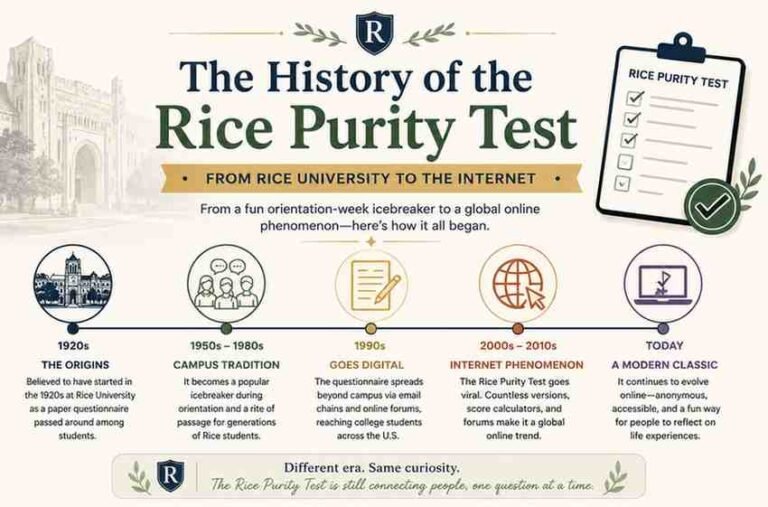
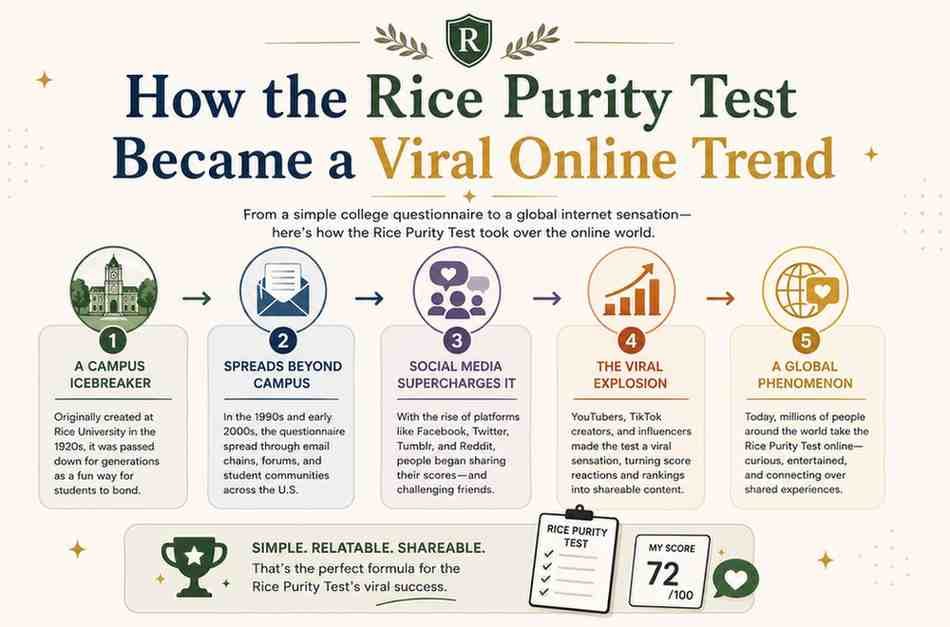
The Rice Purity Test spent decades as a strictly campus-bound tradition before it ever touched the internet. As we covered in our full history of the Rice Purity Test, it started as a printed checklist passed between students at Rice University and gradually spread to other campuses through word of mouth. Its jump from paper to digital screen is really where the “viral” story begins.
Once someone converted the test into a simple, clickable web quiz, it stopped being limited by geography. A student in one country could take the exact same 100-question checklist as a student on the other side of the world, and both could get an instant, shareable score.
The Role of Social Media Sharing
Screenshots did most of the heavy lifting. A finished score is visually simple — a single number out of 100 — which makes it extremely easy to screenshot and post. Platforms built around quick, visual sharing gave the test exactly the kind of format it needed to spread: something people could post in seconds and immediately invite comments on.
| Sharing Behavior | Why It Fueled Growth |
|---|---|
| Screenshotting results | Simple visual, instantly shareable |
| Tagging friends | Turned a solo quiz into a group activity |
| Commenting on scores | Sparked ongoing conversation threads |
| Reposting to stories | Kept the test visible to new audiences continuously |
Why the Format Works So Well Online
A few structural traits made the Rice Purity Test especially suited to viral spread:
- It’s fast — most people finish in a few minutes.
- It requires no sign-up, so there’s zero friction to starting.
- The output is a single, easy-to-interpret number.
- It naturally invites comparison, which drives sharing and tagging.
These same traits are part of why scores get compared so casually among friend groups, sometimes leading to the score-shaming myths that have grown up around the test.
Mobile Browsing and Instant Results
The test’s rise closely tracks the rise of mobile browsing generally. A quiz that takes a few minutes on a phone, with instant results and no account required, fits naturally into how people scroll and share content on the go — particularly among the teen and college-age audience the test already resonated with.
Themed Spin-Offs Fueling the Trend
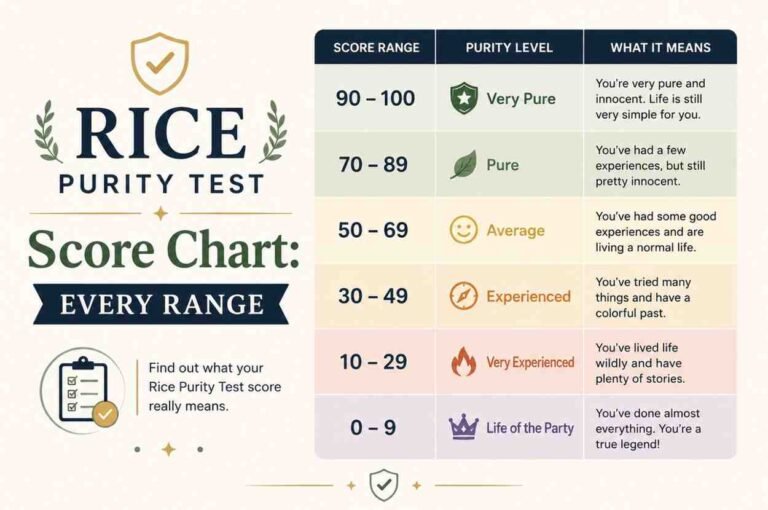
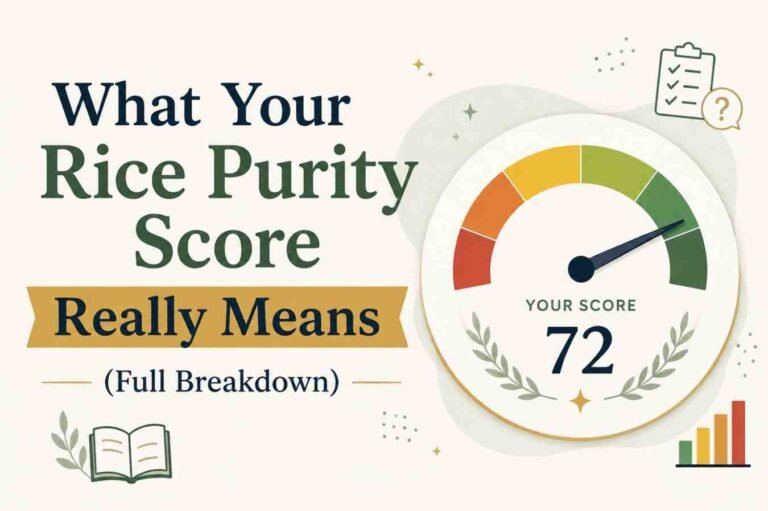
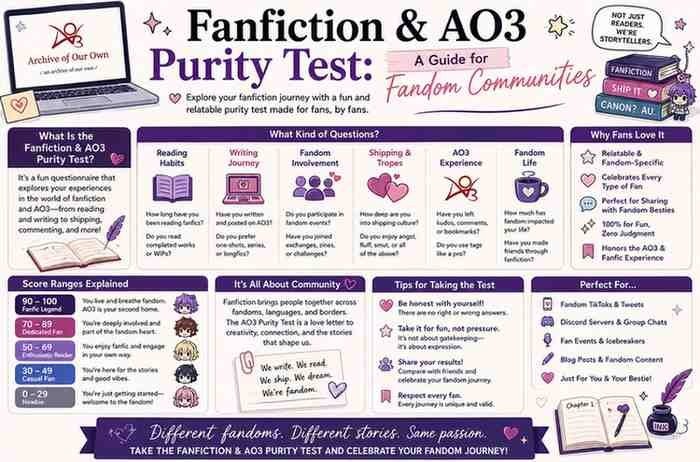
As the test grew more popular, fan communities began building their own themed versions using the same scoring logic — swapping in questions relevant to specific fandoms or hobbies. This kept the format fresh and pulled in new audiences who might never have taken the original version. If you’re curious how these variations work, our guides to the Rice Purity score chart and score meaning cover the same scoring system these spin-offs borrow from.
What Keeps It Popular Today
Long after its original orientation-week purpose, the test persists because it still does what it always did well: give people a quick, low-effort way to compare notes and spark conversation. Its longevity is less about the specific questions and more about the format — a simple, shareable number that invites people to talk to each other.
Frequently Asked Questions
1. When did the Rice Purity Test go viral online?
It gained widespread online popularity as digital quiz formats and social sharing platforms grew, well after its original campus-only years.
2. What made the test easy to share on social media?
Its single-number result is simple to screenshot and post, making it easy to share and comment on.
3. Why do people tag friends in their results?
Tagging turns a personal quiz into a group activity, encouraging others to take it and compare scores.
4. Does the test require an account or sign-up?
No — the lack of sign-up friction is a major reason it spreads so easily.
5. How long does the test usually take to complete?
Most people finish it in just a few minutes.
6. Why is the test popular specifically among teens and young adults?
Its quick, mobile-friendly, no-signup format fits naturally into how younger audiences browse and share content.
7. Are themed spin-offs part of why it’s stayed popular?
Yes — spin-off versions built around specific fandoms and interests have kept the format fresh for new audiences.
8. Is the test still popular today?
Yes, it remains widely taken and shared online, well beyond its original college orientation context.
9. What role did screenshots play in its spread?
Screenshots made results extremely easy to share visually, which helped the test spread quickly across social platforms.
10. Did the test change to become more shareable?
The core questions stayed largely the same; it was mainly the delivery format — moving online — that made it shareable.
11. Is the test associated with any single platform?
No — it has spread organically across many platforms rather than being tied to one specific app or site.
12. Why does comparing scores drive engagement?
Comparison naturally invites conversation and reaction, which keeps people commenting, sharing, and retaking the test.