The History of the Rice Purity Test: From Rice University to the Internet
Where the Test Began
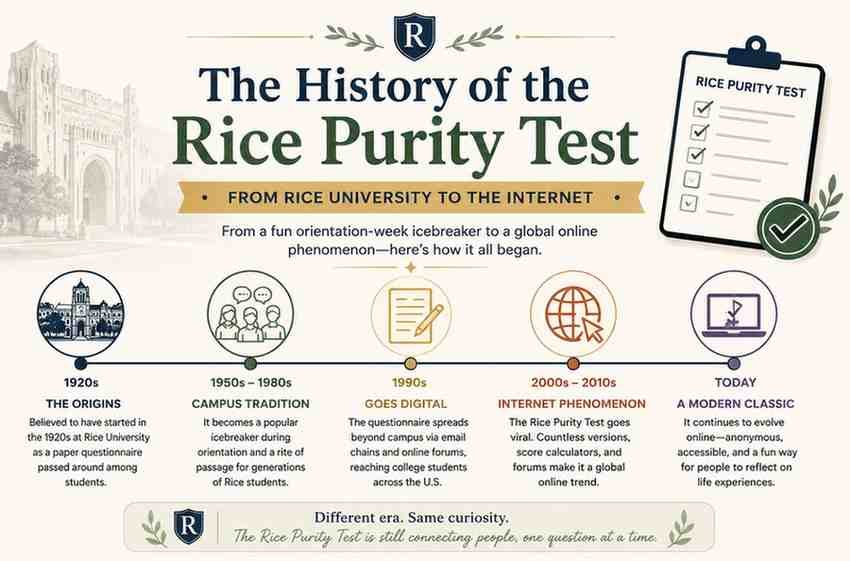
Long before it became a link shared in group chats, the Rice Purity Test started as a physical piece of paper handed out on a college campus. Its name comes directly from its origin: Rice University in Houston, Texas, where it was created as part of student orientation traditions decades ago. If you’re new to the concept entirely, our guide to what a Rice Purity score really means is a good starting point before exploring its history.
The 1920s Orientation Tradition
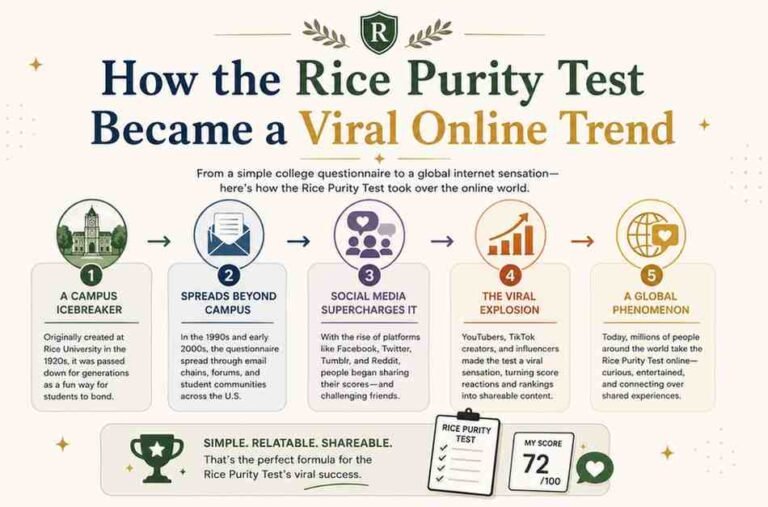
The test’s roots trace back to early 20th-century college culture, when orientation activities often included lighthearted, informal ways for incoming students to get to know one another. A checklist-style quiz — covering a wide mix of everyday and more personal experiences — fit naturally into this tradition, giving students shared talking points and inside jokes as they settled into campus life.
How It Grew Into 100 Questions
What started as a shorter list expanded over the years into the now-familiar 100-question format. Each generation of students who circulated the test tended to add, revise, or update questions to reflect changing campus culture, resulting in the long, wide-ranging checklist still used today.
| Era | Format |
|---|---|
| Early 1900s | Short, informal orientation checklist |
| Mid-to-late 1900s | Expanded, photocopied version passed between students |
| 2000s onward | Standardized 100-question format shared online |
Spreading Beyond Rice University
As students transferred, graduated, and shared the test with friends at other schools, it naturally spread beyond its original campus. Other universities began circulating their own printed versions, often adapting the questions slightly for their own student culture — but the core scoring system and the “Rice” name stuck.
The Move Online
The test’s biggest transformation came with the internet. Once digitized, it went from a paper handout limited to a single campus to a shareable link accessible to anyone, anywhere. This shift is closely tied to how the test became a genuine topic of comparison and conversation among friend groups, since digital scores could be captured as screenshots and shared instantly on social media.
The Test Today
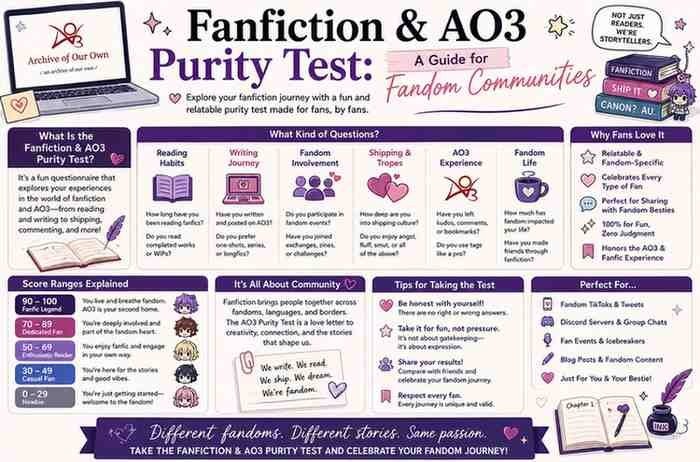
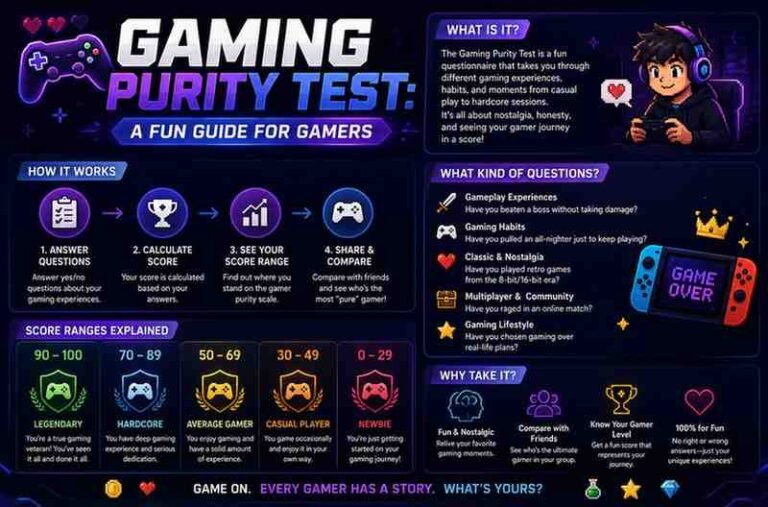
Today, the Rice Purity Test exists almost entirely as an online quiz, taken by people well beyond college campuses — including teens, young adults, and curious internet users worldwide. It has also spawned numerous themed spin-offs, from anime-focused versions to gaming-culture editions, all borrowing its scoring format. For a look at how scores are typically read today, see the Rice Purity score chart.
Frequently Asked Questions
1. Where did the Rice Purity Test originate?
It originated at Rice University in Houston, Texas, as part of a college orientation tradition.
2. When was the test first created?
Its roots trace back to early 20th-century college orientation culture, with the format evolving significantly over the decades.
3. Why does it have exactly 100 questions?
The 100-question format developed over time, aligning naturally with a 100-point starting score where each “yes” subtracts one point.
4. Is the test still used at Rice University today?
The test has evolved well beyond its original campus use and is now primarily known as an online quiz used worldwide.
5. How did the test spread to other schools?
Students shared and adapted it as they transferred, graduated, or connected with peers at other universities.
6. When did the test move online?
It transitioned to digital formats as internet use grew, making it easy to share and complete without a printed copy.
7. Has the test changed much since it started?
Yes — question wording and scope have evolved over generations, though the core checklist-scoring concept has stayed consistent.
8. Is the Rice Purity Test affiliated with Rice University officially?
It originated in student culture there, but it is not an official university-sanctioned publication or program.
9. Why is it called a “purity” test?
The name reflects its original checklist framing, though the modern version is better understood as a life-experience tally than a purity measure.
10. Are there other versions of the original test?
Yes, numerous themed spin-offs have emerged, adapting the same scoring format to different interests and communities.
11. Who currently maintains or owns the test?
As an organically spread piece of internet and campus culture, there’s no single official owner or maintaining body.
12. Why has the test remained popular for so long?
Its simple scoring system and shareability have kept it relevant across generations of students and internet users alike.